
My AI mentor turns my plan into this week's tasks
It reads my plan, my OKRs and my board, then puts the week on the board with deadlines.
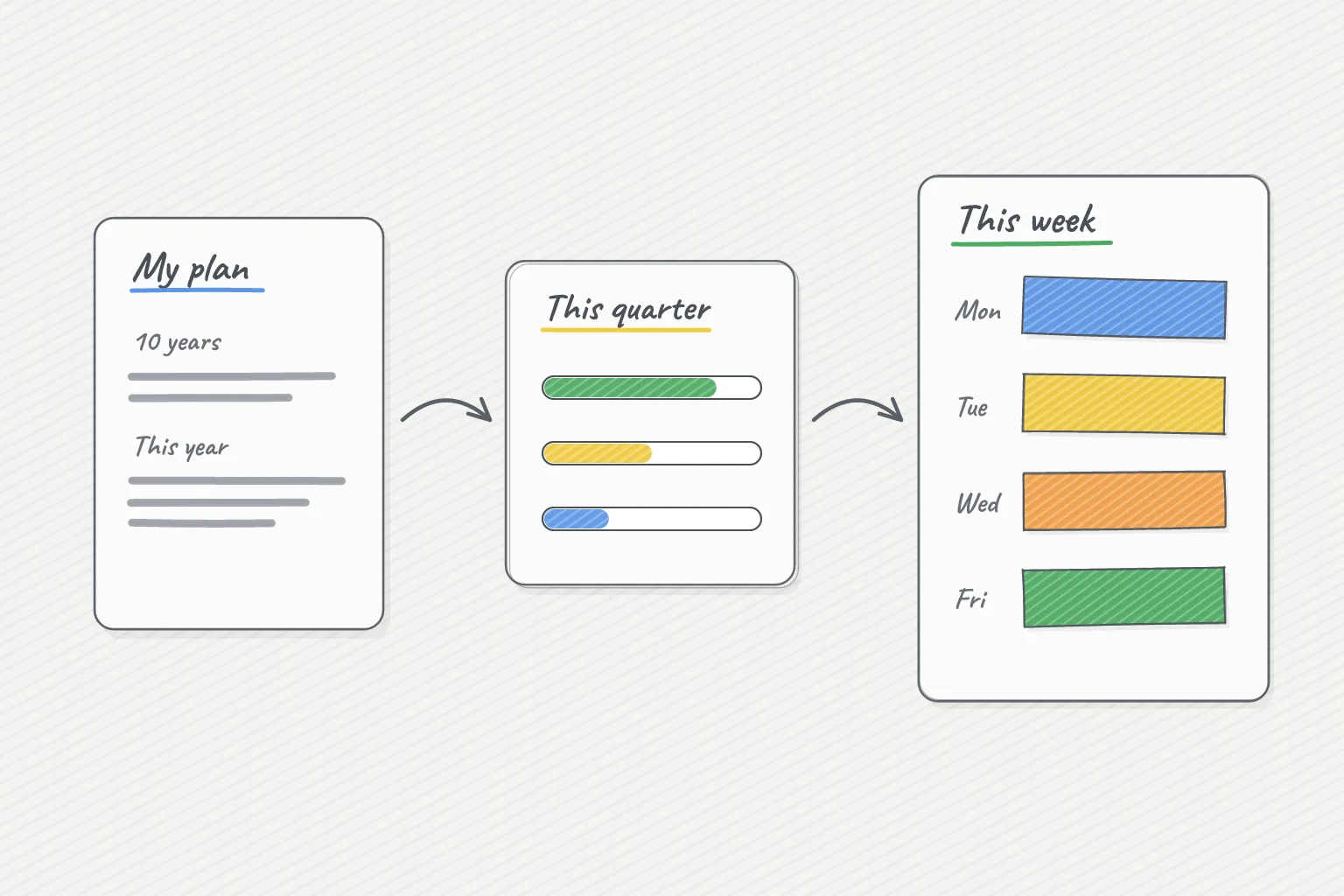
One Monday this month my AI mentor counted fifteen meetings in my calendar, asked about three things I had left open the week before, and told me to go to bed early. Then it put the week on my board.
Twenty years ago, when I started my working life, I came across Stephen Covey and his "first things first", and it has been my way of deciding what to do (and what not to do) ever since. For most of those years I did that thinking alone. I still do it, but now I have a mentor in Claude that reads my plan, my goals and my board, and asks whether what I am doing this week leads to the outcomes I am after.
I wrote about building that mentor in May. Since then I connected it to my calendar, my Google Drive, my Gmail and my board in Tooling Studio (I am a co-founder, so I am biased). When we finish talking on Monday, it creates the tasks for the week in all my projects.
My plan says where I want to be in ten years and what my bets are for this year. That is too far away to plan a week from, so each bet gets a goal for the quarter with a few numbers under it. One of this year's bets is Tooling Studio, and the goal for this quarter is to prove that founders want it as their brain and operating system, measured by calls booked, founders who say "set this up for my company", sign-ups for the skill pack and replies from existing users.
Those numbers live in the OKR app, next to the board. Every action that should move one of them is a card on that board, and the mentor reads both, the numbers and the cards, before it asks me anything.
On Monday morning I open the chat, say one line and then ramble about last week and whatever is in my head. I speak to my laptop now, which still feels very weird after thirty years of typing. The mentor comes back with two or three questions drawn from my calendar, my key results and last week's cards, and the session ends when I have named one main priority and what I am dropping.
Then it creates the tasks on my board, each with a description and a deadline, and gives me a plan per day. It also made a list called "Parking lot 2027" and put my newest venture idea there, because my plan says no new ventures this year.
During the week I go back to the same chat when I am stuck or need a kick in the butt. On Friday after lunch a scheduled task collects my week from my calendar, my Claude chats and my meeting notes, sorts the hours per company and proposes my time registration. Nothing goes into the Time app until I reply "ok".
I put the setup into one skill, so you do not have to copy any prompts. It asks which mentors you want, asks five questions about your plan, and runs the weekly session: it reads your calendar and your board, asks its questions and creates the tasks. Get the mentor skill. It works on its own, and it does the most when your goals and tasks live in Tooling Studio, where it can read and write them.
The full essay, with the questions my mentor asks and how I decide what to stop, is on my Substack: My AI mentor now plans my week.
 Download our Plugin